When Should You Finally Seek out a Divorce Lawyer?
Making the decision to seek a divorce is never easy. Not only does it come with emotional challenges, but there are also significant legal ramifications to consider. Consulting with a divorce lawyer can provide clarity and support throughout this process. However, knowing when to take that step is crucial for your well-being and future.
Recognizing the Signs of Irreconcilable Differences
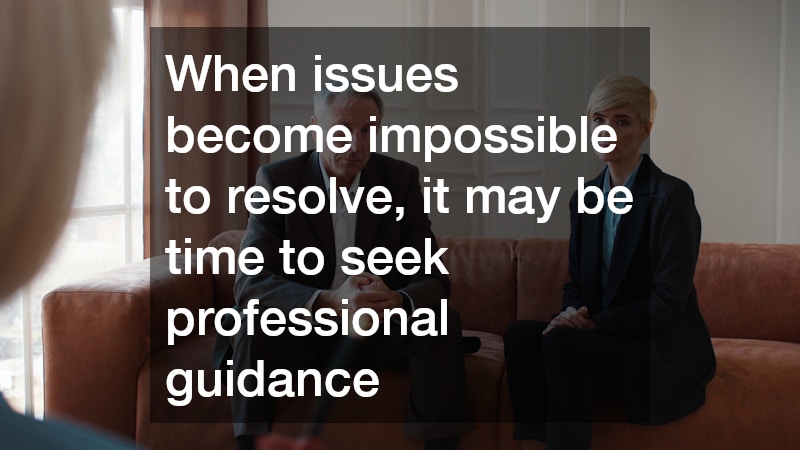
In any relationship, disputes and disagreements are normal. However, when issues become impossible to resolve despite repeated attempts, it may be time to seek professional guidance. Many individuals find themselves trapped in recurring cycles of conflict, unable to break free. This can escalate tension, leading to a consistently hostile atmosphere. A divorce lawyer can help assess whether the situation warrants legal action and offer tailored advice.
It’s important to recognize when differences have reached a point of no return. Emotional exhaustion may take over, leaving both parties frustrated and resentful. In such situations, maintaining a meaningful relationship may seem unattainable, prompting one to consider divorce. Consulting a lawyer can shed light on the legal procedures involved and help gauge the potential outcomes. They offer insight into how your rights and assets will be affected.
Most people hesitate to consult a lawyer prematurely, fearing it might worsen the situation. Yet, early legal intervention, under certain circumstances, may prevent hostilities from escalating. Divorce lawyers are trained to mediate conflicts and can often provide solutions that are mutually beneficial. Understanding legal rights and obligations is crucial before making any drastic decisions. A lawyer could ensure safeguards that might influence pending negotiations with your spouse.
Your Financial Stability and the Need for Legal Guidance
Financial stability plays a significant role in the decision to pursue a divorce. When marital conflict starts to affect your economic security, it may warrant legal intervention. Prolonged disputes over shared assets can jeopardize long-term financial health. Furthermore, mishandling financial disagreements can result in unfair settlements. A divorce lawyer can evaluate your financial situation and work towards equitable resolutions.
Engaging a lawyer can provide guidance on securing your financial future during a separation. They specialize in handling asset division, debts, and alimony concerns efficiently. Lawyers help ensure that you are well-informed about potential obligations and rights post-divorce. Moreover, they can create financial strategies to protect you from adverse outcomes. This legal insight is integral to negotiating a favorable settlement.
When trust is broken, managing finances becomes increasingly troublesome. Without legal counsel, one might inadvertently overlook pressing financial issues. This can result in serious implications, affecting both immediate and future security. A divorce lawyer navigates through the complexities of financial agreements, prioritizing your interests. They help in reassessing shared responsibilities, including joint accounts and investments.
The Role of Emotional Well-being in Seeking Divorce
Emotional well-being is often overlooked in strained marriages. The mental and emotional toll of persistent conflict can deeply affect one’s overall health. Substance abuse, anxiety, and depression are common byproducts of being in a toxic relationship. When such issues arise, seeking legal counsel may be necessary to facilitate a healthier living environment. Divorce lawyers can support you through this emotionally taxing period.
Consulting a lawyer doesn’t always mean proceeding with divorce; it can offer clarity. Understanding your options and what lies ahead empowers you to make informed decisions. A supportive legal advisor helps reduce the anxiety associated with uncertainty. Furthermore, they provide a tailored legal strategy that aligns with your emotional and logistical needs. A lawyer’s involvement could also aid in constructive dialogue with your spouse, bridging communication gaps.
Knowing when to place your emotional health first is crucial. Feelings of guilt or fear about ending a marriage shouldn’t overshadow your well-being. A skilled lawyer not only manages your divorce proceedings but can also recommend therapeutic alternatives. Dealing with emotional trauma is challenging, and having a lawyer to handle legal complexities offers relief. Prioritizing your mental health can improve your quality of life post-divorce.
Your Children’s Welfare and Divorce Decisions
The well-being of children is often the most sensitive aspect of contemplating divorce. Ensuring their emotional and psychological needs are met should be a primary concern. Ongoing parental conflicts can profoundly impact children’s stability and development. In cases where separation emerges as the only viable resolution, legal guidance becomes indispensable. A divorce lawyer can help mediate custody arrangements and support emotional welfare plans for children.
Children often face anxiety and confusion when witnessing marital discord. Offering them support through this period is vital to their adjustment. By involving a lawyer, you ensure that all decisions are legally sound and child-centered. Having clear agreements in place eases transitions for children, reducing stress on both parties. This proactive approach can foster a healthier adjustment process and reassure children during challenging times.
When to Make That Call to a Divorce Lawyer
Finally, acknowledging when to seek legal help can mark a turning point. The earlier you initiate contact, the more options are available to explore a resolution. Divorce lawyers are equipped to handle complex emotional and legal intricacies. Their experience and knowledge can navigate you through the turbulence that accompanies marital breakdown. If you’ve encountered persistent difficulties, scheduling a consultation can be a beneficial first step.
Understanding when to turn to legal services is essential for all family members. Professional guidance reassures partners navigating unfamiliar legal terrain, offering confidence and clarity. Expert advice facilitates smoother transitions, proving valuable in long-term planning. Legal support can also address ancillary concerns such as estate planning and post-divorce settlements. With a clear legal roadmap, you position yourself for a more secure and positive future.