How to Manage a Car Accident
Understanding the steps and precautions to take after being involved in a car accident can help minimize stress and ensure proper resolution. This article guides you through the key aspects of effectively managing a car accident. By having a clear plan of action, you will be better positioned to handle the incident calmly and ensure that all necessary procedures are followed.
Knowing what to do immediately after a car accident is crucial for your safety and the safety of others involved. It is also important for the protection of your legal rights and potential insurance claims.
In this article, we will provide comprehensive guidance on how to effectively manage a car accident, from the moment it happens to the final resolution.
Our goal is to equip you with the necessary knowledge to navigate the complexities of post-accident procedures. Whether it’s ensuring everyone’s safety, documenting the incident, or handling legalities, this guide aims to make the process as smooth as possible. Let’s delve deeper into the necessary steps and considerations following a car accident. Car accident lawyers can assist you through the process of filing a claim.
1. What Should I Do Immediately After a Car Accident?
1.1 Ensure Safety and Assess Injuries
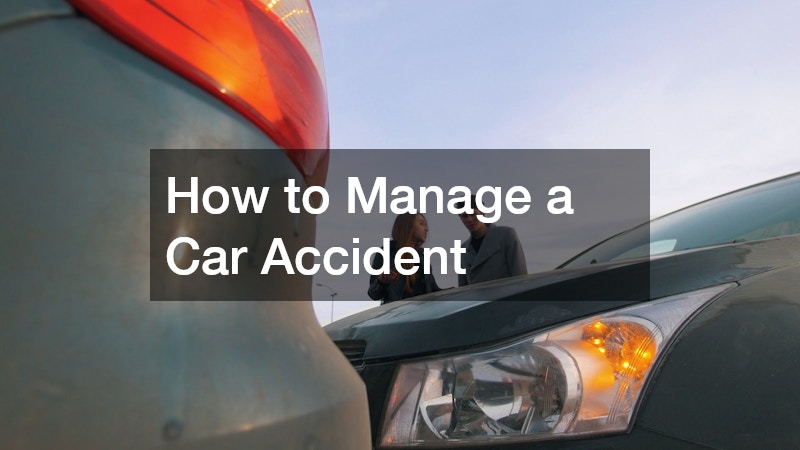
The first and foremost action after a car accident is to ensure the safety of all individuals involved. It is vital to assess any potential injuries and provide first aid where necessary. You should check yourself and passengers for any immediate injuries, staying as calm as possible to think clearly.
If anyone is hurt, call for medical assistance promptly and try not to move injured persons unless absolutely necessary to prevent further harm. Ensuring that both the accident scene and individuals are safe is critical. Proper assessment of injuries at the scene can have a significant impact on recovery and can influence how situations are handled immediately after an accident.
Safety does not only pertain to physical well-being but also involves situational awareness. If the accident is in the middle of traffic, move to a safer location without causing harm before addressing any issues. These steps establish the foundation for effective management of the incident as it unfolds.
1.2 Contacting the Authorities
Contacting the authorities is a vital step after ensuring everyone’s immediate safety, as it creates an official record of the incident. You should call the police to report the accident, as their presence can aid in traffic control and provide essential documentation.
This documentation serves as an unbiased account of the accident, which will be beneficial for insurance claims and any potential legal procedures. Even if the accident seems minor and no one is injured, it is best practice to involve the police.
The authorities can also guide you in terms of what further actions need to be taken, such as moving vehicles out of the road if possible. Notifying them not only helps maintain order but also streams the process of sorting out the issues that will arise post-accident.
2. How to Document the Incident for Insurance Purposes?
2.1 Gathering Evidence and Information
Documenting the incident meticulously for insurance purposes is another critical step. Start by capturing photos of vehicle damages, positions, road conditions, and any visible injuries. These visuals can serve as tangible evidence of the accident scene.
Make sure to exchange information with the other party involved, including names, contact information, driver’s licenses, and insurance details. Witnesses, if any, should also be consulted and their statements documented, as they could provide impartial perspectives on the events that took place.
Having detailed records can significantly expedite the claim process with insurance companies. Keep a copy of all the obtained data organized, as it will be required during discussions with insurers and potentially in court proceedings. Accurate and comprehensive evidence collection paves the way for smoother claim resolutions.
2.2 Reporting to Insurance Companies
Once sufficient records are gathered, the next step is promptly reporting the accident to your insurance provider. Insurance companies require a detailed account of the accident, which the collected evidence and information will substantiate.
Initiate the claim process immediately after the incident and provide your insurer with copies of the police report and all other documentation at hand. Timely communication with your insurance company can prevent unnecessary delays in the claims process.
Be prepared for further inquiries from the insurance company, and provide them with any additional information as needed. Having a proactive approach can greatly influence the efficiency in which a claim is processed. Transparency and preparedness play key roles in facilitating a successful insurance claim.
Successfully managing the aftermath of a car accident requires knowledge and preparation. By following the outlined steps, individuals can ensure their safety, protect their legal rights, and facilitate a smoother resolution to the incident. Remember, your well-being and that of others involved is the priority after any collision.
The hectic aftermath of an accident demands a calm and collected approach to decision-making and procedure management. Equip yourself with awareness, practice vigilance, and utilize resources available to you, such as legal consultants and insurance providers.
Ultimately, the guidance provided here aims to alleviate the stress of an accident’s aftermath and enable quick recovery, both physically and practically. With the right approach, managing a car accident can become a less daunting and more controlled experience.