Can Animal Control Take My Dog Without a Warrant? Know Your Rights
Few things are more frightening for a pet owner than hearing a knock on the door and being told animal control is there to take your dog. Whether the issue involves a bite complaint, allegations of neglect, or a neighbor dispute, many owners immediately wonder: Can animal control take my dog without a warrant?
The answer depends on the situation, state law, and whether there is an emergency. In general, the Fourth Amendment of the U.S. Constitution protects people from unreasonable searches and seizures. That protection extends to your home and property. However, there are exceptions — especially when public safety or animal welfare is involved.
This guide explains when animal control officers can legally seize a dog, when they need a warrant, what your rights are, and what to do if your dog is taken.
Are Dogs Considered Property Under the Law?
Legally, dogs are considered personal property in most states. While they are beloved family members, the law treats them as property for purposes of ownership and seizure.
This classification matters because:
- Property is protected from unreasonable government seizure.
- Officers usually need a warrant to enter private property.
- Owners have due process rights if property is seized.
However, animal protection laws allow authorities to act quickly in certain cases.
When Is a Warrant Required?
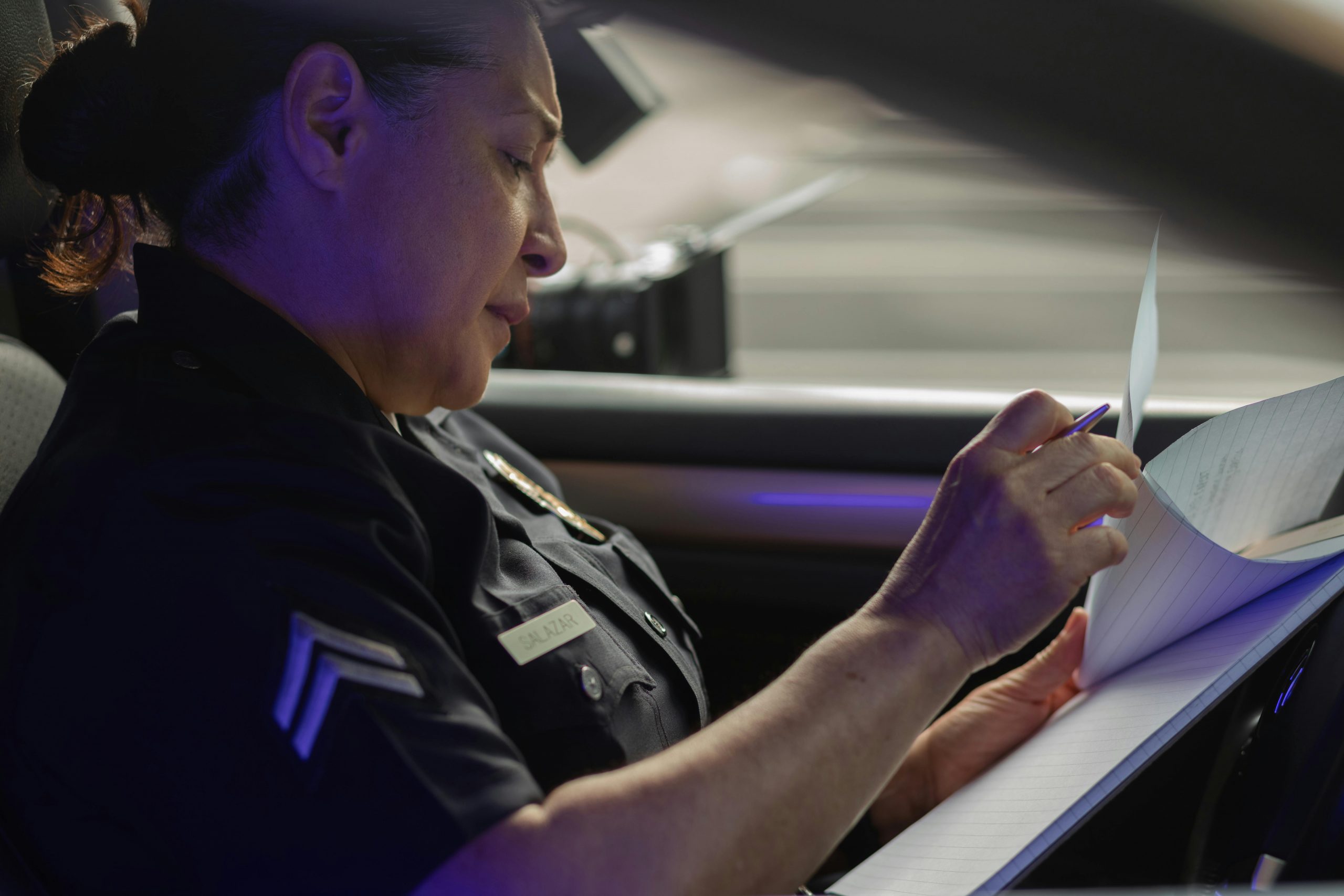
Under the Fourth Amendment, government officials typically need a warrant to:
- Enter your home
- Search private areas of your property
- Seize personal property
A warrant must be issued by a judge and based on probable cause.
Probable cause means there is reasonable belief that:
- A crime occurred
- The animal is being neglected or abused
- The dog poses a serious threat
If animal control wants to enter your house or backyard (not visible from public view), they generally must obtain a warrant unless an exception applies.
When Can Animal Control Take a Dog Without a Warrant?
There are specific exceptions where a warrant is not required.
1. Exigent (Emergency) Circumstances
If officers believe there is an immediate threat to:
- Public safety
- A person’s life
- The animal’s life
They may act without a warrant.
Examples include:
- A dog actively attacking someone
- A dog running loose and posing danger
- Severe visible neglect (starvation, dehydration)
- A dog trapped in extreme heat
Courts allow emergency actions when waiting for a warrant could cause harm.
2. Public Areas
If your dog is in a public place — such as:
- A sidewalk
- A public park
- A roadway
Animal control may impound the dog if it violates local leash laws or is acting dangerously.
In public spaces, there is less expectation of privacy.
3. Plain View Doctrine
If officers are lawfully present and can clearly see evidence of neglect or danger from outside your property, they may act.
For example:
- A severely malnourished dog visible from the street
- A dog chained without shelter in freezing temperatures
However, they generally cannot enter closed spaces without a warrant unless there is immediate danger.
4. Consent
If you give permission for officers to enter your property, they do not need a warrant.
You are not required to consent. If you are unsure, you may politely say:
“I do not consent to any search without a warrant.”
Be respectful and calm. Avoid confrontation.
What Happens After Your Dog Is Seized?
If animal control takes your dog, several things may occur.
Investigation
Authorities may investigate:
- Allegations of abuse or neglect
- Bite reports
- Dangerous dog complaints
They may gather:
- Veterinary records
- Witness statements
- Photos of living conditions
Impoundment
Your dog may be placed in:
- A municipal shelter
- A contracted animal facility
- Quarantine (in bite cases)
You may be required to pay boarding fees.
Notice and Hearing
In many states, you have the right to a hearing.
A hearing allows you to:
- Challenge the seizure
- Present evidence
- Argue for your dog’s return
Due process is critical. Courts generally require a fair opportunity for owners to respond.
Dog Bite Cases and Seizure
One common reason dogs are seized is after a bite incident.
If you’re wondering what happens if your dog bites someone, the situation often triggers mandatory reporting requirements. In many states:
- The bite must be reported to health authorities
- The dog may be quarantined for rabies observation
- The quarantine may last 10 days
Quarantine can occur:
- At home (in some cases)
- At a shelter or animal facility
If the bite was severe, authorities may also investigate whether the dog should be classified as dangerous.
Dangerous Dog Designations
After certain incidents, your dog may be labeled:
- Dangerous
- Vicious
- Potentially dangerous
Each state defines these terms differently.
If designated dangerous, requirements may include:
- Secure enclosure
- Special registration
- Liability insurance
- Muzzle in public
- Warning signs
In serious cases, euthanasia may be ordered.
You typically have the right to appeal such decisions.
Your Constitutional Rights
Even though animal control officers have authority, your constitutional rights still apply.
You have the right to:
- Refuse warrantless entry (absent emergency)
- Remain silent
- Request an attorney
- Receive notice of charges or allegations
- Request a hearing
Never physically interfere with officers. Disputes should be handled legally, not physically.
What If Animal Control Entered Illegally?
If officers entered your home without:
- A warrant
- Consent
- Emergency justification
The seizure may be challenged in court.
Possible legal arguments include:
- Violation of Fourth Amendment rights
- Lack of probable cause
- Improper procedure
An attorney can review the details and determine whether rights were violated.
Criminal Charges vs. Civil Proceedings
Seizure of a dog may involve:
Criminal Charges
If neglect or cruelty is alleged, you may face:
- Animal cruelty charges
- Fines
- Probation
- Jail time
Criminal cases are handled in criminal court.
Civil Proceedings
Some cases involve civil hearings about:
- Dangerous dog designation
- Ownership disputes
- Administrative violations
The legal standard is different in civil cases.
How to Protect Yourself and Your Dog

Preventive action reduces risk of seizure.
Maintain Proper Care
Ensure your dog has:
- Adequate food and water
- Proper shelter
- Veterinary care
- Safe fencing
Follow Local Laws
Know your city and county ordinances regarding:
- Leash laws
- Registration
- Vaccination requirements
Document Everything
Keep records of:
- Vaccination updates
- Vet visits
- Training classes
Documentation strengthens your defense if allegations arise.
Address Behavior Issues Early
If your dog shows aggression:
- Seek professional training
- Consult a veterinarian
- Increase supervision
Courts look at whether owners acted responsibly.
How Long Can Animal Control Keep My Dog?
Timeframes vary by state.
Typically:
- Short quarantine (10–14 days) for bite cases
- Longer impoundment during investigations
- Holding periods before court hearings
Failure to respond promptly may result in permanent loss of ownership.
Can You Get Your Dog Back?
Yes, in many cases.
To regain custody, you may need to:
- Pay fines or boarding fees
- Provide proof of compliance
- Attend a hearing
- Meet safety conditions
However, if a court determines the dog poses extreme danger or severe cruelty occurred, permanent removal may occur.
When to Contact a Lawyer
You should consult an attorney if:
- Your dog was seized without explanation
- Criminal charges were filed
- A dangerous dog hearing is scheduled
- Officers entered without a warrant
- Euthanasia is being considered
An attorney experienced in animal law or criminal defense can protect your rights and guide you through the process.
Frequently Asked Questions
Can animal control take my dog from my backyard?
If the backyard is fenced and private, they usually need a warrant unless there is an emergency.
Can they take my dog based on a complaint alone?
A complaint alone does not automatically allow seizure. Authorities must investigate and establish probable cause.
Can I refuse to answer questions?
Yes. You have the right to remain silent and consult a lawyer.
Final Thoughts
Facing animal control involvement can be stressful and emotional. Your dog is part of your family, and the idea of losing them is overwhelming. However, the law balances public safety with property rights.
Knowing when officers can act without a warrant — and when they cannot — empowers you to respond calmly and appropriately. If authorities seize your dog, act quickly, seek legal advice, and attend all required hearings.
By understanding your constitutional protections, local laws, and responsible ownership obligations, you can better protect your pet and your rights under the law.